 By
By 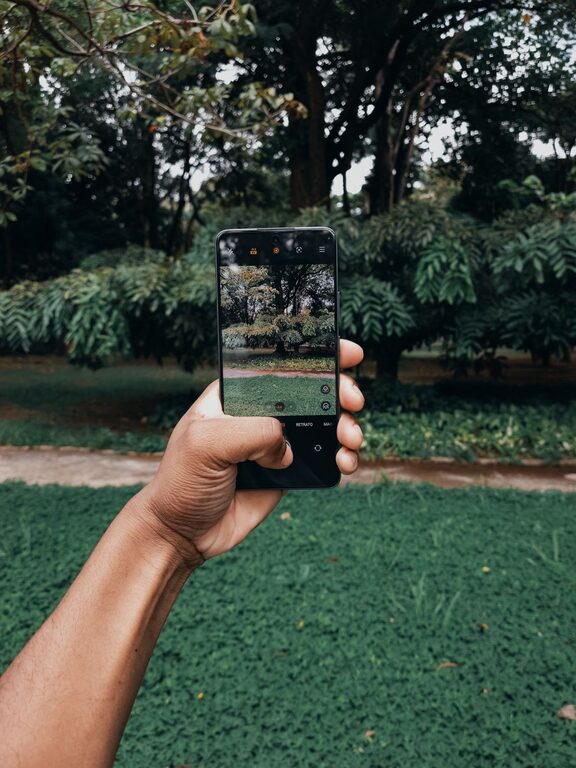
Taking great photos with your phone is easier than you might think. Whether you’re snapping moments of family, nature, or everyday life, your phone camera can deliver impressive results with the right approach. In this post, we’ll share beginner-friendly tips to help you take better phone photos, so you can capture memories beautifully and confidently.
Understand Your Phone Camera
Before diving into tips, spend some time exploring your phone’s camera features. Most smartphones come equipped with multiple modes such as portrait, panorama, and night mode. Knowing what each mode does helps you choose the best setting for each situation.
– Experiment with different modes. Try portrait for close-up shots with blurred backgrounds, or panorama for wide landscapes.
– Adjust settings like flash, HDR, and timer. HDR (High Dynamic Range) can balance bright and dark parts of your photo.
– Clean your lens regularly. A smudged lens can cause blurry or hazy photos.
Focus on Lighting
Lighting can make or break a photo. Good lighting highlights your subject and adds depth, while poor lighting can make photos dull or grainy.
Use Natural Light Whenever Possible
– Shoot during the “golden hour”, which is shortly after sunrise or before sunset. The light is soft and warm, producing beautiful colors and shadows.
– Avoid harsh midday sunlight that can create strong shadows and highlights.
– When indoors, position your subject near windows or other natural light sources.
Use Artificial Light Wisely
– If natural light isn’t available, use lamps or room lighting, but avoid direct flash when possible since it can cause harsh reflections.
– Experiment with the flash to see if it improves your shot, but try to soften it by diffusing the light with a thin cloth or piece of paper.
Compose Your Shot Thoughtfully
Composition is about arranging the elements in your photo to tell a story or draw attention to your subject.
Apply the Rule of Thirds
Most phones have a grid option in the camera settings. The rule of thirds divides your frame into a 3×3 grid. Place your subject along these lines or at their intersections for more balanced and interesting photos.
Simplify the Background
Avoid cluttered or distracting backgrounds. A clean background helps your subject stand out.
Use Leading Lines and Frames
Lines in your photo — like roads, fences, or bridges — can guide the viewer’s eye to the main subject. You can also frame your subject naturally using elements like doorways or tree branches.
Steady Your Phone for Clear Images
Blurry photos often result from shaky hands. To avoid this:
– Hold your phone with both hands and keep your elbows close to your body.
– Lean against a stable surface to reduce movement.
– Use the timer mode or a remote shutter if available to avoid jostling the phone when tapping the screen.
Experiment with Angles and Perspectives
Try shooting from different heights and angles to find the most flattering or dramatic view of your subject.
– Get low to the ground to capture an interesting foreground.
– Shoot from above for a bird’s-eye view.
– Move around your subject to discover new perspectives.
Edit Your Photos to Enhance Them
Post-processing can elevate your photos by adjusting color, brightness, and sharpness. Many smartphones have built-in editing tools that are user-friendly for beginners.
Basic Edits to Try
– Crop and straighten to improve framing.
– Adjust brightness, contrast, and saturation for better color and light balance.
– Use filters sparingly to enhance mood but avoid overdoing it.
Save and Share Your Best Shots
To keep your photo library organized:
– Delete duplicates or blurry photos regularly.
– Backup your photos to the cloud or an external drive.
– Share your favorites with friends or on social media to get feedback and inspiration.
Practice Regularly and Have Fun
Like any skill, getting better at phone photography takes practice. Challenge yourself to take photos every day or focus on different themes and subjects. Most importantly, enjoy the process of capturing moments from your unique perspective.
—
By following these simple tips, you’ll see a noticeable improvement in your phone photos. Remember, great photography is about creativity, patience, and learning from each shot. Happy snapping!