 By
By 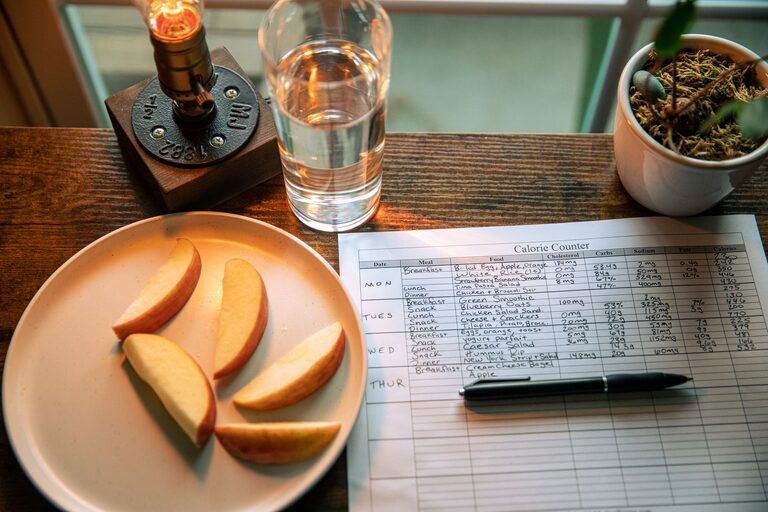
Planning balanced meals doesn’t have to be overwhelming. With a little organization and simple strategies, you can create nutritious meals that satisfy your taste buds and support your health. Whether you’re new to meal planning or just looking to make it easier, this guide will help you plan balanced meals without stress.
What Is a Balanced Meal?
A balanced meal includes a variety of nutrient-rich foods from different food groups. Typically, this means:
– Proteins: Such as chicken, fish, beans, tofu, or eggs
– Carbohydrates: Whole grains, quinoa, brown rice, or starchy vegetables
– Healthy Fats: Avocado, nuts, seeds, olive oil
– Vegetables and Fruits: A colorful variety for vitamins, minerals, and fiber
Combining these components in the right portions supports energy levels and overall health.
Why Plan Your Meals?
Planning meals ahead helps you:
– Save time and reduce last-minute cooking stress
– Avoid unhealthy food choices
– Manage food budget and reduce waste
– Ensure your meals are varied and balanced
Step 1: Start With Simple Meal Ideas
Begin by listing a handful of meals you already enjoy that include protein, carbs, and veggies. For example:
– Grilled chicken with quinoa and steamed broccoli
– Black bean tacos with avocado salsa and side salad
– Baked salmon with roasted sweet potatoes and green beans
Having a small rotation simplifies shopping and cooking without getting boring.
Step 2: Use a Weekly Meal Planner
A meal planner can be a simple paper template or a digital calendar. Map out meals for each day, including breakfast, lunch, dinner, and snacks if desired. Planning ahead ensures you have everything you need and helps balance your nutrients throughout the day.
Tips for Using Your Planner
– Set aside 10–15 minutes once a week to plan
– Include leftovers or quick meals for busy days
– Mix up proteins and vegetables to keep variety
Step 3: Build Balanced Plates Easily
When putting together meals, follow the plate method:
– Half your plate filled with vegetables or fruit
– One quarter with lean protein
– One quarter with whole grains or starchy vegetables
– Add a small amount of healthy fats
This visual guideline helps create balanced and satisfying meals.
Step 4: Prepare Ingredients Ahead of Time
Batch cooking and prepping ingredients in advance can save time during the week. For example:
– Chop vegetables and store in airtight containers
– Cook grains like rice or quinoa to use in multiple meals
– Grill or bake proteins ahead and refrigerate or freeze portions
This reduces daily cooking demands and makes assembling meals quick and easy.
Step 5: Keep Healthy Staples on Hand
Stock your kitchen with versatile, nutritious ingredients that make meal planning simpler:
– Frozen vegetables and fruits
– Canned beans and tomatoes
– Whole grains like oats, barley, or brown rice
– Nuts, seeds, and nut butters
– Olive oil, herbs, and spices for flavor
With these basics, you can whip up balanced meals without frequent grocery trips.
Step 6: Listen to Your Body’s Hunger and Preferences
Balanced eating doesn’t mean being rigid. Pay attention to your hunger cues, and choose foods you enjoy. It’s okay to have occasional treats and modify plans based on your schedule or appetite.
Sample Balanced Meal Plan for a Day
Here’s an example to inspire your own planning:
– Breakfast: Greek yogurt with mixed berries, a handful of nuts, and a drizzle of honey
– Lunch: Quinoa salad with chickpeas, cucumber, cherry tomatoes, feta cheese, and lemon-olive oil dressing
– Snack: Apple slices with almond butter
– Dinner: Baked chicken breast with roasted sweet potatoes and steamed asparagus
Extra Tips for Stress-Free Meal Planning
– Keep recipes simple—one-pan meals or sheet trays can be lifesavers
– Use leftovers creatively, like turning roasted veggies into soup or wraps
– Rotate familiar meals but try one new recipe weekly to keep things interesting
– Don’t hesitate to ask family or roommates for input to include meals everyone enjoys
In Conclusion
Planning balanced meals without stress is achievable by starting small and using practical tools. Focus on the basics: variety, preparation, and flexibility. Over time, you’ll find a rhythm that fits your lifestyle and supports your health with delicious, balanced meals.
Happy meal planning!