 By
By 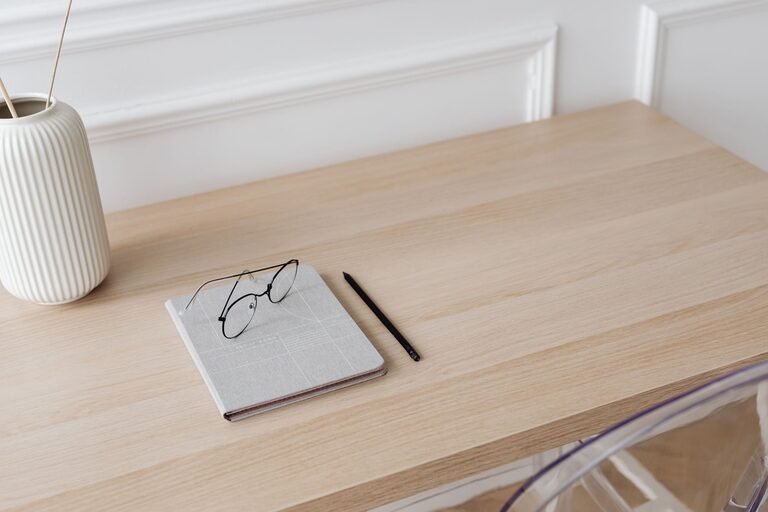
Creating a relaxing home workspace is essential for maintaining focus, reducing stress, and boosting productivity—especially when working remotely. A well-designed space can transform your workday from hectic to harmonious. If you’re ready to upgrade your home office, this guide will walk you through simple, effective steps to build an environment that feels both calming and inspiring.
Why a Relaxing Workspace Matters
Your workspace environment has a big impact on how you work and feel during the day. When cluttered, noisy, or uncomfortable, it can increase stress and lower motivation. Conversely, a relaxing workspace encourages concentration, creativity, and peace of mind. This means you can accomplish more while feeling less overwhelmed.
Step 1: Choose the Right Spot
Consider Natural Light
Start by selecting a location with plenty of natural light. Sunlight helps regulate your mood and energy levels, making it easier to stay alert. If natural light is limited, choose a bright area and supplement with soft artificial lighting.
Minimize Distractions
Find a quiet corner away from high-traffic areas. This reduces interruptions and lets you focus on your tasks.
Step 2: Invest in Ergonomic Furniture
Comfortable Chair
An ergonomic chair supports your back and encourages good posture. Look for adjustable features so you can customize the height and tilt.
Functional Desk
Choose a desk that fits your space and work needs. Whether you prefer sitting or standing, having a surface tailored to your comfort makes a difference.
Step 3: Declutter and Organize
Keep Only Essentials
Limit what’s on your desk to items you use regularly, like your computer, notepad, and a pen. Too many objects can create visual noise.
Use Storage Solutions
Incorporate drawers, shelves, or organizers to keep supplies out of sight but within reach. Keeping your workspace tidy promotes a peaceful atmosphere.
Step 4: Add Calming Elements
Greenery
Plants are a great way to bring nature indoors. They improve air quality and add a soothing touch.
Colors
Choose soft, neutral colors for walls and decor. Shades like light blue, green, or beige help create a serene setting.
Personal Touches
Include items that make you feel calm, such as artwork, photos, or inspirational quotes. Be mindful not to clutter your space with too many personal items.
Step 5: Improve Lighting and Sound
Layered Lighting
Combine ambient lighting with task lighting. A desk lamp can provide focused light, while overhead lights brighten the whole room.
Manage Noise
If noise is an issue, consider noise-canceling headphones or a white noise machine. Alternatively, playing gentle background music can enhance focus.
Step 6: Maintain Air Quality and Comfort
Ventilation
Fresh air helps keep your mind alert. Open a window when possible or use an air purifier.
Temperature Control
Make sure your workspace is neither too hot nor too cold. Comfortable temperature plays a big role in your ability to concentrate.
Step 7: Establish Boundaries and Routine
Define Your Work Hours
Having set times to start and stop working helps keep your home life and work life balanced.
Create a Routine
Begin your day with a calming ritual, like stretching or a few minutes of meditation. This primes your mind for work.
Final Thoughts
Designing a relaxing home workspace doesn’t require a big budget or extensive renovation. By paying attention to light, comfort, organization, and ambiance, you can create a space that supports both productivity and well-being. Start with small changes today and enjoy the benefits of a peaceful place to work.
Remember, your workspace should serve you—not the other way around. Take time to adjust as you go along until you find what best suits your style and needs. Happy organizing!